

Why Most Heart Problems Start Without Symptoms
Heart problems are often imagined as sudden chest pain, collapse, or a dramatic emergency. But the truth is far more dangerous—and silent. Most heart problems begin quietly, without any clear warning signs, sometimes years before a diagnosis or heart attack.
This is exactly why heart disease is the leading cause of death worldwide. People don’t ignore symptoms—there often aren’t any.
Let’s understand why this happens, in simple words.
The Silent Nature of Heart Disease
Your heart doesn’t scream for help early on.
It adjusts, compensates, and keeps working, even when something is wrong.
- Problems like:
• Blocked arteries
• High cholesterol
• High blood pressure
• Early plaque buildup
develop slowly, not overnight.
Your body adapts, so you feel “normal” while damage quietly progresses inside.
That’s why heart disease is called a silent killer.
How Heart Problems Actually Begin
Most heart issues start with small internal changes, such as:
• Cholesterol sticking to artery walls
• Blood vessels slowly narrowing
• Increased pressure on the heart
• Reduced oxygen flow
None of these cause pain at first.
By the time symptoms appear, 50–70% of the artery may already be blocked.


Why You Don’t Feel Early Heart Damage
1. Arteries Don’t Have Pain Sensors
Blocked arteries don’t hurt the way muscles or skin do.
So plaque buildup happens without pain.
2. The Heart Compensates
Your heart works harder to maintain blood flow.
You might feel:
• Slight fatigue
• Mild breathlessness
• Low energy
- Most people blame this on:
• Stress
• Age
• Work pressure
And ignore it.
3. Symptoms Appear Very Late
Chest pain, dizziness, or breathlessness usually show up only when damage is advanced.
For many people, the first symptom is a heart attack.
Common “Silent” Heart Conditions
High Blood Pressure
- Often has no symptoms for years.
But it slowly damages:
• Arteries
• Heart muscles
• Kidneys
High Cholesterol
You can’t feel cholesterol in your blood.
But it quietly blocks arteries over time.
Coronary Artery Disease
Develops gradually due to plaque buildup.
Symptoms appear only when blood flow is critically reduced.
Early Heart Muscle Weakness
The heart slowly loses efficiency without obvious signs—until daily activities become difficult.
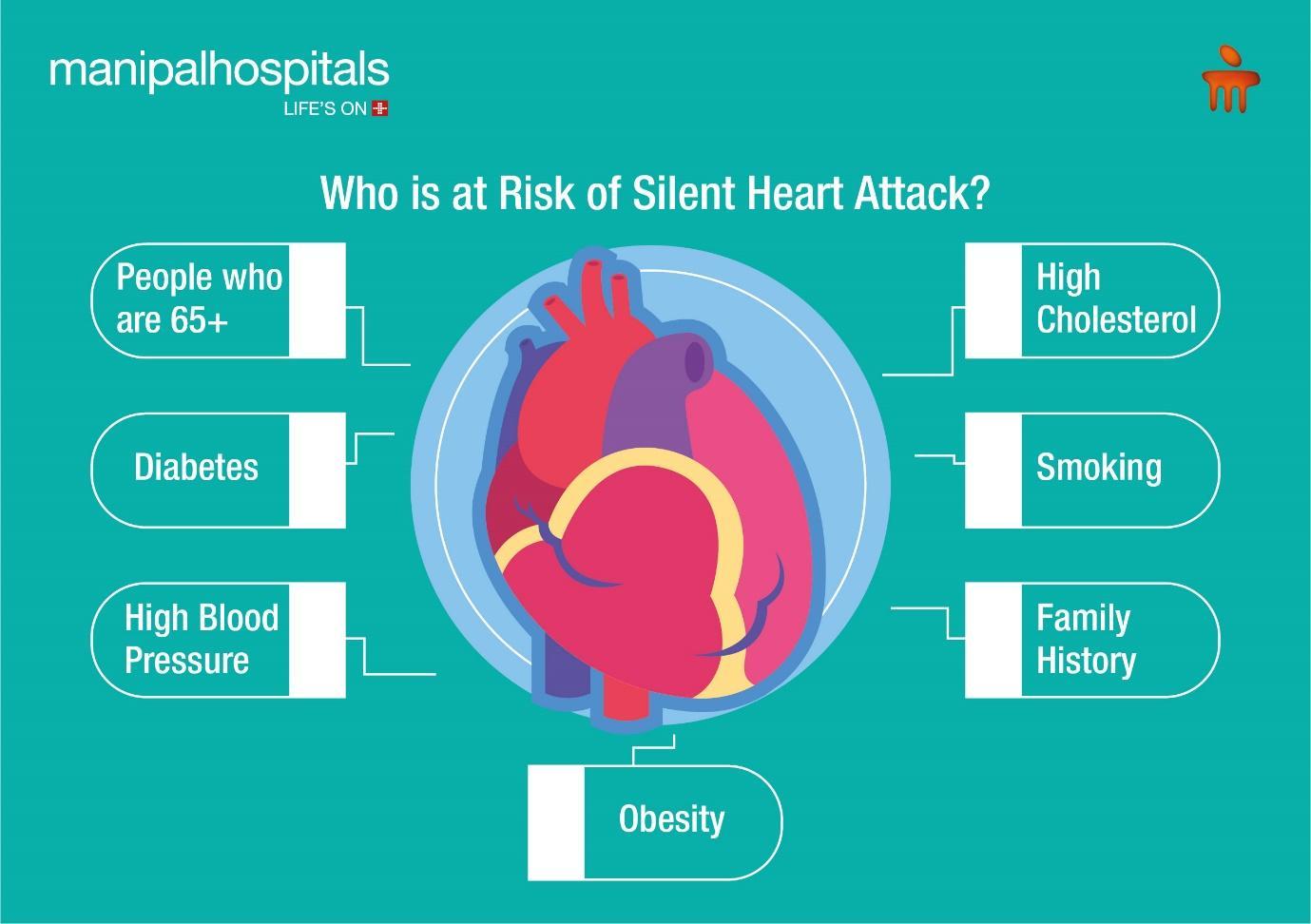
Who Is Most at Risk (Even Without Symptoms)
You may feel healthy, but risk increases if you:
- • Are above 30
• Sit long hours
• Eat outside food frequently
• Have high stress
• Smoke or drink alcohol
• Have family history of heart disease
• Have diabetes or obesity
Many heart patients say:
“I never felt anything wrong.”
Subtle Signs People Often Ignore
While major symptoms come late, some minor signs may appear:
- • Frequent fatigue
• Shortness of breath while climbing stairs
• Irregular heartbeat
• Poor sleep
• Anxiety without reason
• Reduced stamina
These are not normal aging signs—they are early warnings.
Why Regular Testing Matters More Than Symptoms
Because heart problems are silent, tests save lives.
- Important tests:
• Blood pressure
• Lipid profile (cholesterol)
• Blood sugar
• ECG (if advised)
Testing once every 6–12 months can detect problems years before symptoms.
Prevention Is Easier Than Treatment
The heart is easier to protect than repair.
- Daily habits that make a difference:
• Regular walking or exercise
• Balanced, low-fat diet
• Proper sleep
• Stress management
• No smoking
• Limited alcohol
Small changes today prevent big emergencies tomorrow.
Supporting Your Heart in a Busy Lifestyle
Modern life makes it difficult to manage heart health with food and exercise alone.
- Heart-support supplements can help:
• Maintain healthy cholesterol
• Support blood circulation
• Reduce oxidative stress
• Improve overall cardiovascular function
(Cell Vitals Nutrition focuses on daily heart support through science-backed nutrition. Always consult your doctor before starting supplements.)
Final Thoughts: Don’t Wait for Symptoms
Your heart doesn’t fail suddenly.
It warns silently for years.
Waiting for symptoms means waiting too long.
The smartest heart care decision is the one you take
before you feel anything wrong.
Get tested.
Move daily.
Eat smarter.
Manage stress.
Your heart is working nonstop for you—
protect it before it asks for help ❤️
- #Boost energy
- #Cell vitals
- #Cell vitals qiventa
- #CoQ10 benefits Omega-3 for heart Arjuna extract garlic for cholesterol heart-healthy diet lifestyle for heart health blood pressure and cholesterol cardiovascular wellness healthy living tips supplements for heart health
- #early heart problems
- #energy booster
- #female skin problem
- #heart care
- #heart health tips
- #heart symptoms
- #India's 1st CoQ10 and Bioperine Combined gummy
- #lower cholesterol naturally natural ways to reduce cholesterol heart health cholesterol management heart supplements
- #Qiventa
- #Qiventa gummies
- #signs of heart disease
Share